
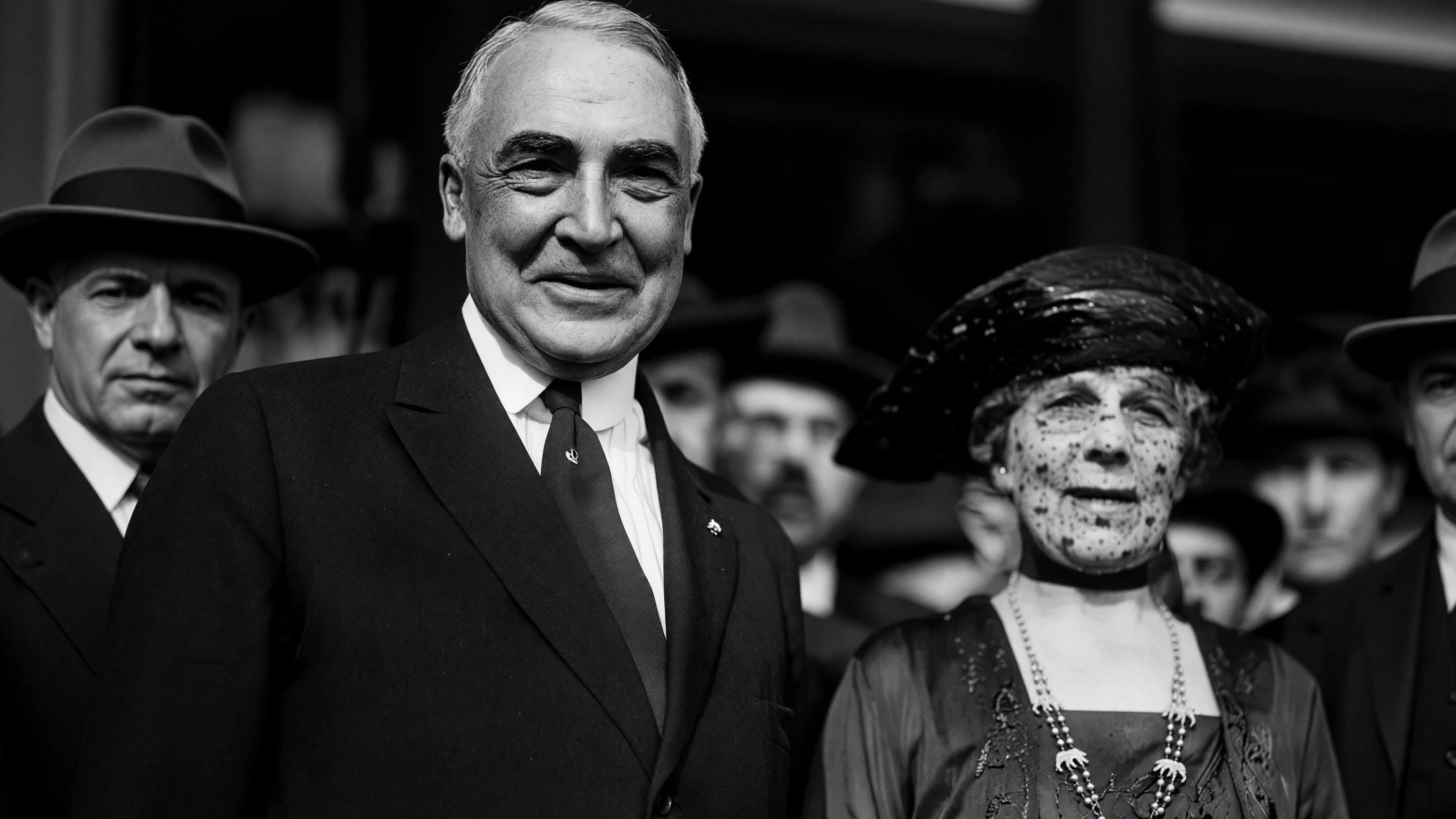
On November 2, 1920, Americans thought they knew exactly who they were electing.
They cast their ballots for a small-town Ohio newspaperman, married for nearly 30 years and the picture of a devoted husband.
He and his wife still lived in the Marion house where they married in 1891, and their little city knew them as the couple who built its newspaper together.
He campaigned on a promise to give a nation exhausted by war a return to “normalcy,” and he looked the part. From the front porch of his modest Victorian home in Marion, Ohio, he greeted delegations of visitors while the country came to him. On his 55th birthday, voters handed him the widest popular-vote margin of any presidential race since the 1820s, a record that still stands.
But behind the folksy image of a plainspoken candidate lay two secrets, either one big enough to finish him overnight.
For 15 years, he carried on an affair with the wife of one of his closest friends, and poured it into about a thousand pages of love letters.
And barely a year before the election, a woman less than half his age gave birth to his secret daughter.
On election night, his wife was waiting for him at home in Marion, and she helped build every inch of the career those secrets could destroy.
Winnie
The wife waiting in Marion was Florence Kling Harding, and a good part of the career on the line that night belonged to her.
Years later, she summed up how it started in a single sentence: “I stopped by the Star office one afternoon and stayed fourteen years.”
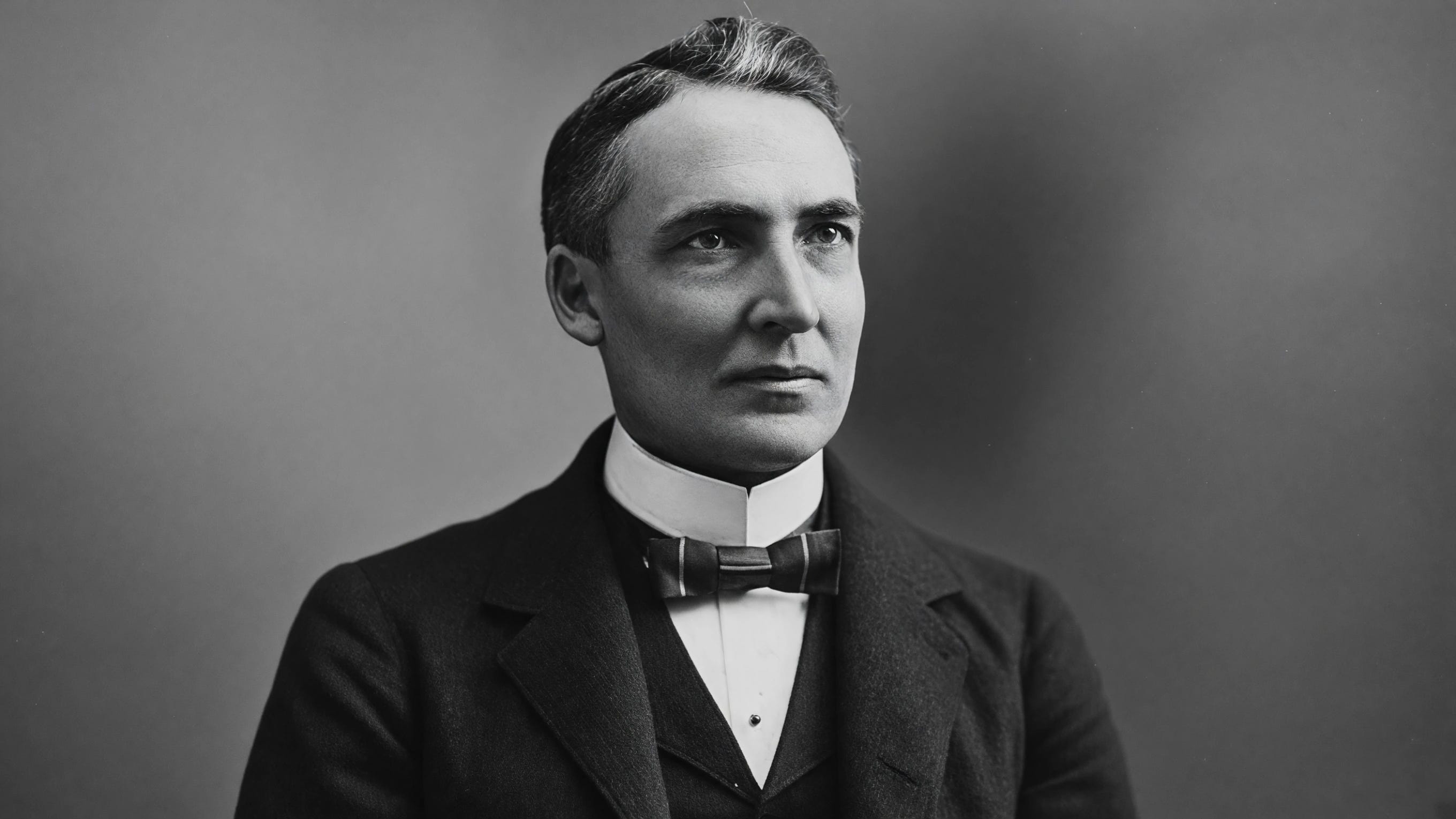
The Star was a small-town newspaper, and its owner was Warren Gamaliel Harding.
Warren was born on November 2, 1865, in the village of Blooming Grove, Ohio, into a household where both parents practiced medicine. His father, George Tryon Harding, was a physician, and his mother, Phoebe, worked as a midwife before earning a medical license of her own. To her, he was “Winnie.”
His boyhood in Caledonia ran on farm chores, creek swimming and the music of the village band. He was bright enough to enter Ohio Central College at 14, and he left in 1882 with experience editing the campus paper, the first hint of where he was headed.
After college, Warren drifted through teaching, law and insurance until he found a trade built for a man who could talk to anyone.
Warren Harding made his name by flattering an entire town.
In 1884, he and two partners scraped together $300 and bought the struggling Marion Star. The partners soon quit, but Harding stayed and turned the paper into the town’s loudest booster, promoting every new shop and business in Marion until the Star became the voice of the town.
It was the work of a natural salesman who hated conflict and loved being liked, and those instincts would shape everything that came after.
And he never fired a single employee at the Star.
He was the warm, easygoing face of the business, and he avoided delivering bad news whenever he could.
According to the Miller Center, he shared profits with his staff and steered clear of critical stories. He would rather carry a weak hire than make an enemy, and in a county-seat town where every subscriber knew every reporter, that instinct paid.
Charm could fill a newspaper with friendly stories, but the Star needed a harder hand.
And one day it walked through the door in the form of a rich man’s daughter with a son her own father was raising.
“One Afternoon”
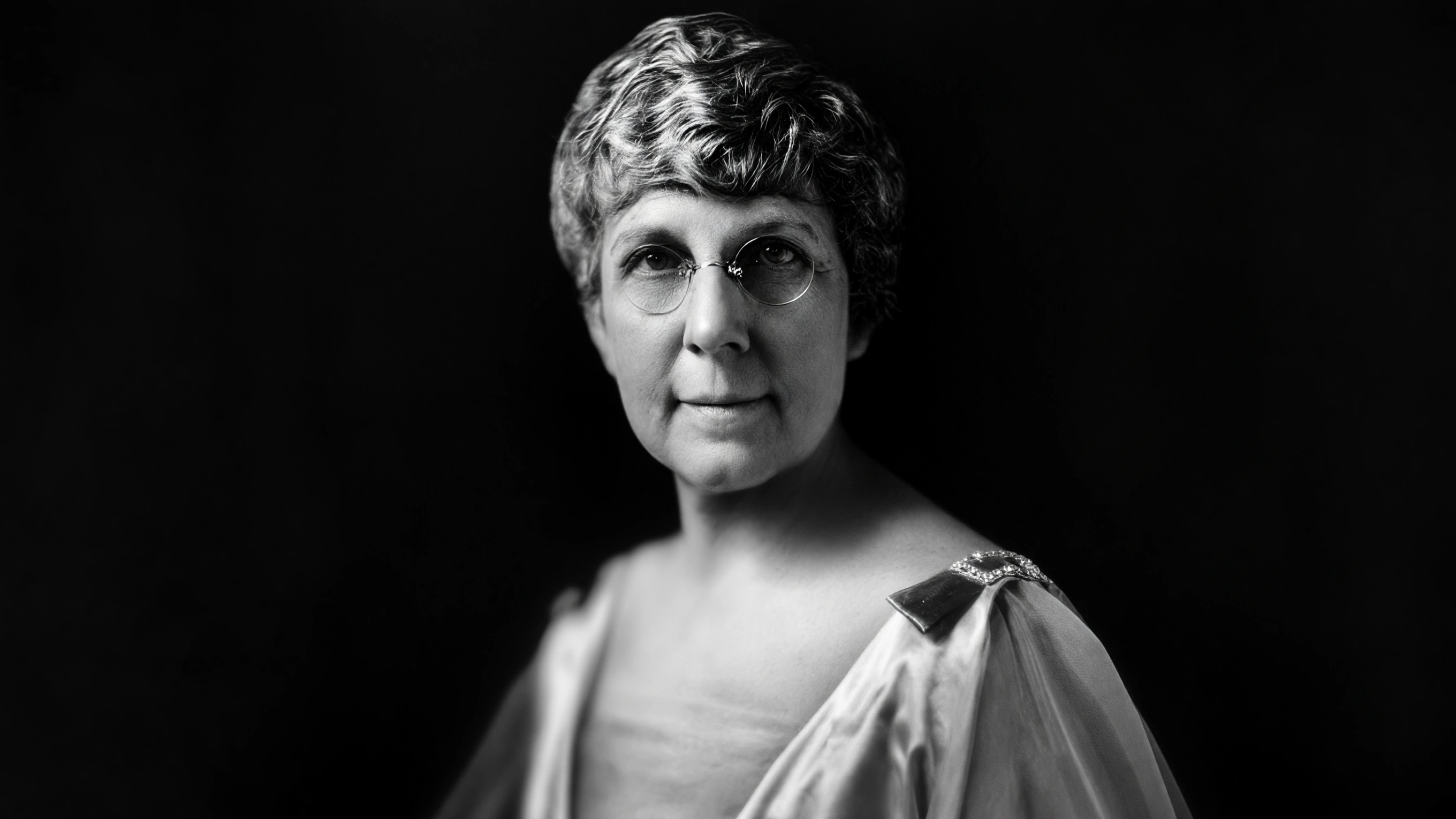
She was Florence Kling DeWolfe, and her “one afternoon” turned into a wholesale reconstruction of the business.
Where Harding charmed, Florence organized, and she brought to the Star the same stubbornness that carried her through her father’s opposition.
She reorganized the delivery routes, kept watch over the accounts and freed Harding to write editorials and work the county’s Republican clubs.
Florence was five years his senior, and her father, Amos Kling, despised the match.
Kling, a wealthy Marion businessman, considered the young publisher a poor bet, and he cited a rumor, then circulating in Marion, that the Harding family had Black ancestry. It was an ugly charge in the Ohio of that era, and Kling repeated it anyway.
But Florence refused to be talked out of it, and her own history gave her every reason to fight for this marriage.
She already knew what a broken household looked like. A first relationship collapsed so badly that her father adopted and raised her son, Marshall, himself, and she had no intention of failing a second time.
The courtship began around 1889, and Kling’s opposition dragged on for years.
On July 8, 1891, Florence married Harding in the entrance hall of a new house on Mount Vernon Avenue. Her father’s blessing was conspicuously absent.
Nearly three decades later, its front porch became the heart of his presidential campaign.
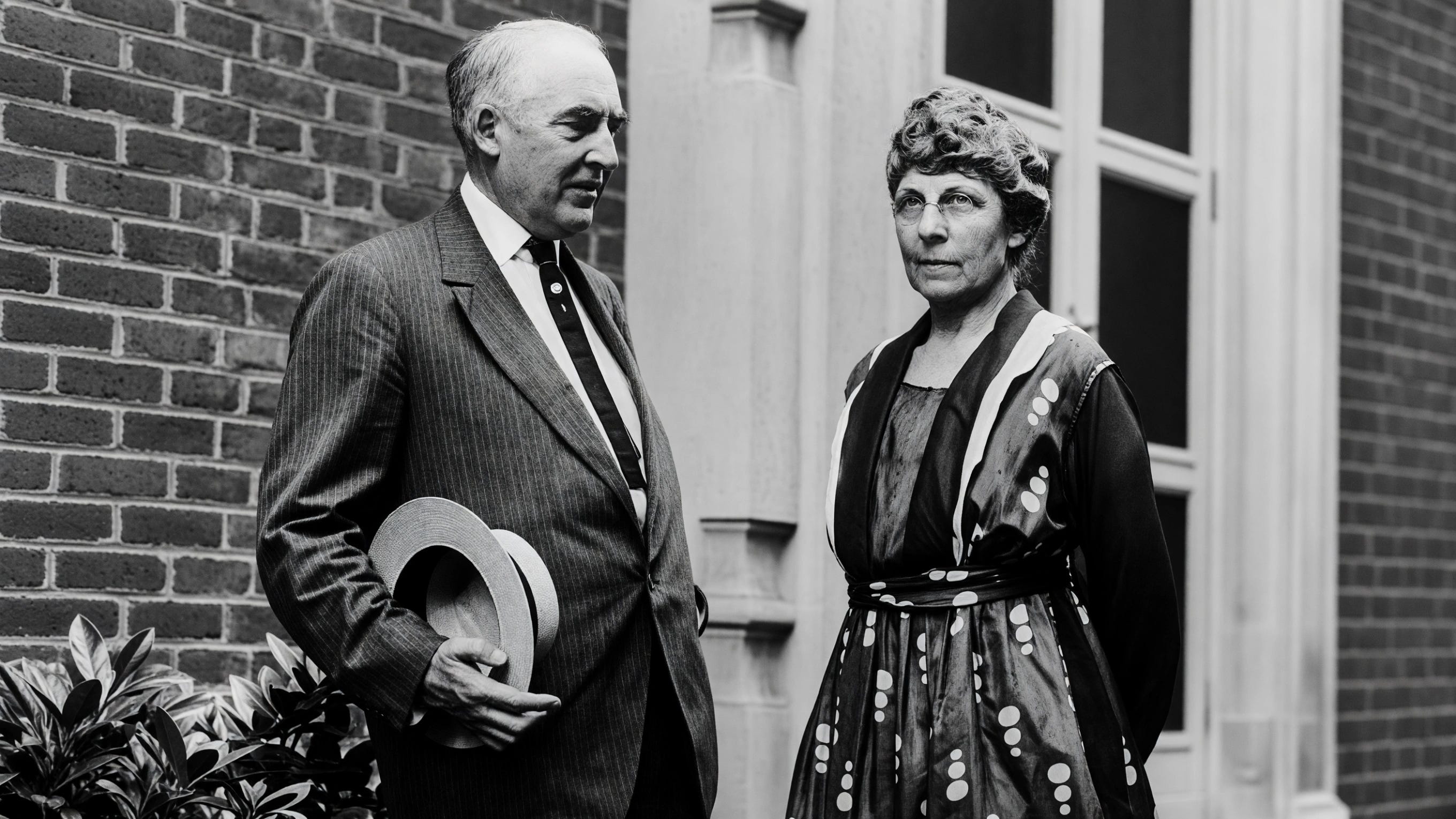
The marriage never produced children, and their newspaper became the thing they raised together.
What they built ran like a small company, with Florence minding the money and Warren charming the town.
It worked. The Star turned a profit by the turn of the century, and his editorials carried him into the Ohio Senate in 1899, where he served two terms.
In 1903, Ohio voters elected him lieutenant governor, and his rise seemed to have no ceiling until he lost the governor’s race in 1910, but the defeat barely slowed him.
Four years later, he won a seat in the U.S. Senate and carried his small-town charm all the way to Washington.
Florence’s management made that career possible, and in 1905, Harding began an affair with the wife of one of his closest friends.
Carrie
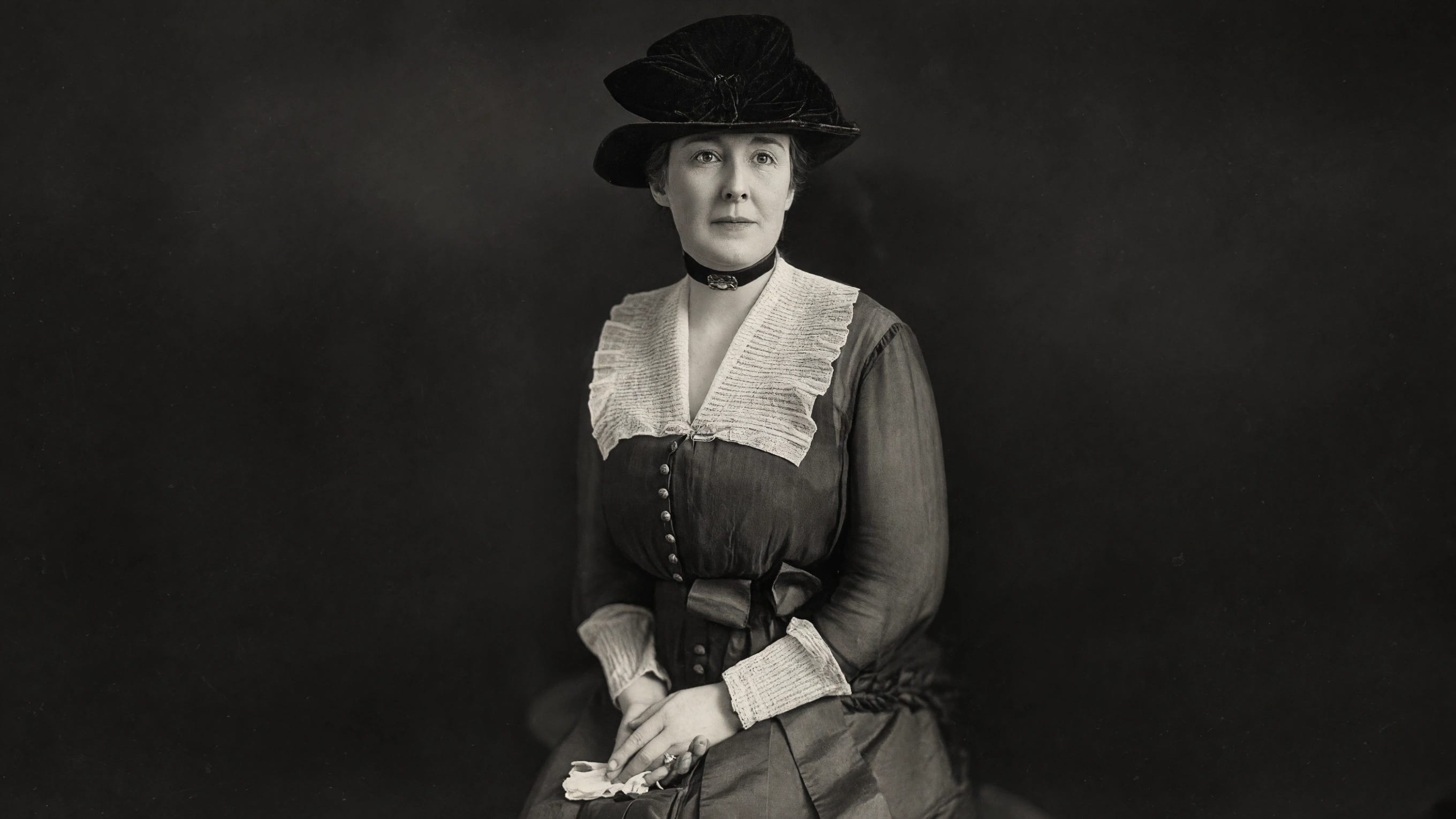
The woman was Carrie Fulton Phillips, wife of James Phillips, a prosperous Marion department store owner and one of Harding’s closest friends.
The two men had grown close through Marion’s tight-knit business circles, and before long, their wives were friends, too. The couples were regular guests at each other’s dinner tables, traveled together, and even vacationed in Europe. By all appearances, they were the best of friends.
The affair began in 1905, according to the Library of Congress, under particularly unfortunate circumstances.
The Phillipses had recently lost their young son, and Harding had persuaded a grief-stricken James to seek treatment at a Michigan sanitarium. With James away and Florence Harding receiving medical treatment of her own, Warren began visiting Carrie.
What followed was a fifteen-year affair, sustained across long separations by a correspondence that would eventually fill about a thousand pages.
Harding addressed her as “Sis” and signed his letters with invented names, among them “Constant” and “Jerry.” The pages that survived hold love poetry, political argument, wartime quarrels and a level of sexual frankness unusual for a man in public life.
In 1912, he composed verse about “your poise of perfect thighs when they hold me in paradise,” lines that would have ended most political careers on the afternoon they were read aloud.
The archive runs to 240 items, and almost all of it is Harding’s side of the conversation.
He knew the danger. Writing from San Francisco’s Palace Hotel on January 26, 1915, he begged her to burn everything: “Won’t you please destroy? You are not always careful with letters, and if you destroy, you won’t need to be careful.”
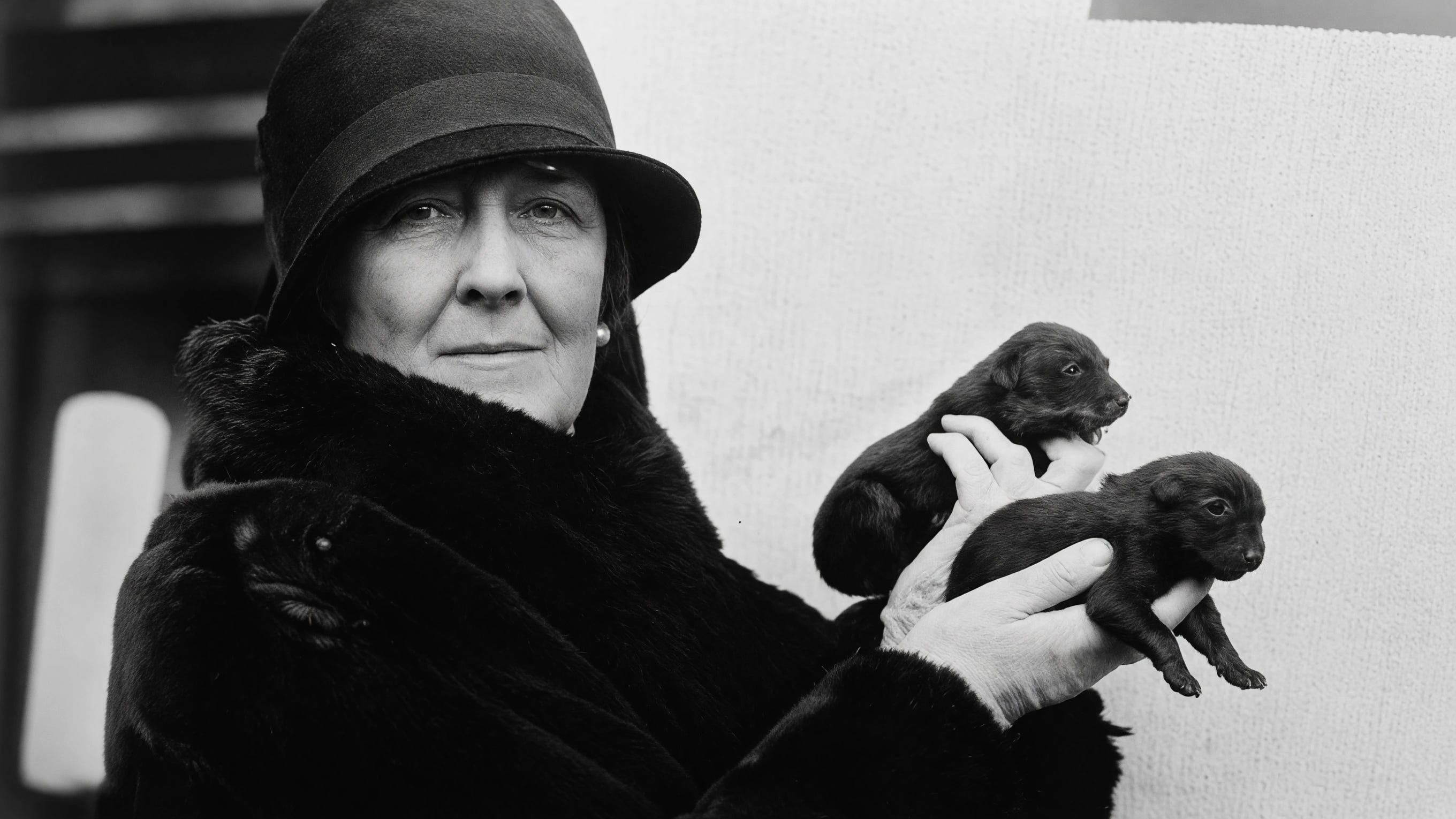
Carrie kept every page, and she had opinions that could hurt him.
In 1917, as the United States moved toward war with Germany, she’d lived in Germany herself and opposed American intervention with a fury that bled into their correspondence.
In draft notes from May 1917, she challenged American pretensions to democracy by invoking a recent lynching: “We had a Negro equality man under democracy lynched yesterday—Great pretexts, these, of ours!”
Harding warned her to watch what she said in public.
On February 17, 1918, he wrote that wartime tolerance was limited and that justice was “not always discriminating,” a senator cautioning his lover to keep her opinions quiet while the country was at war.
The Library of Congress identifies oblique references in the archive to her power to expose the affair before the war vote. Harding cast his vote for war, trusting that Carrie would keep his secret.
On February 2, 1920, he delivered the moral accounting he’d apparently been composing for fifteen years:
“We have blundered. … We both understood. We were both married. No lies were told.”
It was an appeal to honesty between two lovers that left both of their spouses outside the frame.
Their last surviving letter is dated July 20, 1920. During the campaign, Republican officials moved to contain the affair: an all-expenses-paid trip to Japan for Carrie and James Phillips, $20,000 in cash (over $330,000 today) and promises of continuing payments. Other published estimates put the sum higher, and the exact terms remain disputed.
Harding himself had proposed paying Carrie the equivalent of $84,000 a year in today’s money for as long as he remained in public office.
That summer, a young woman from Marion who’d admired Harding since girlhood had already borne his daughter the previous October.
Elizabeth Ann Christian
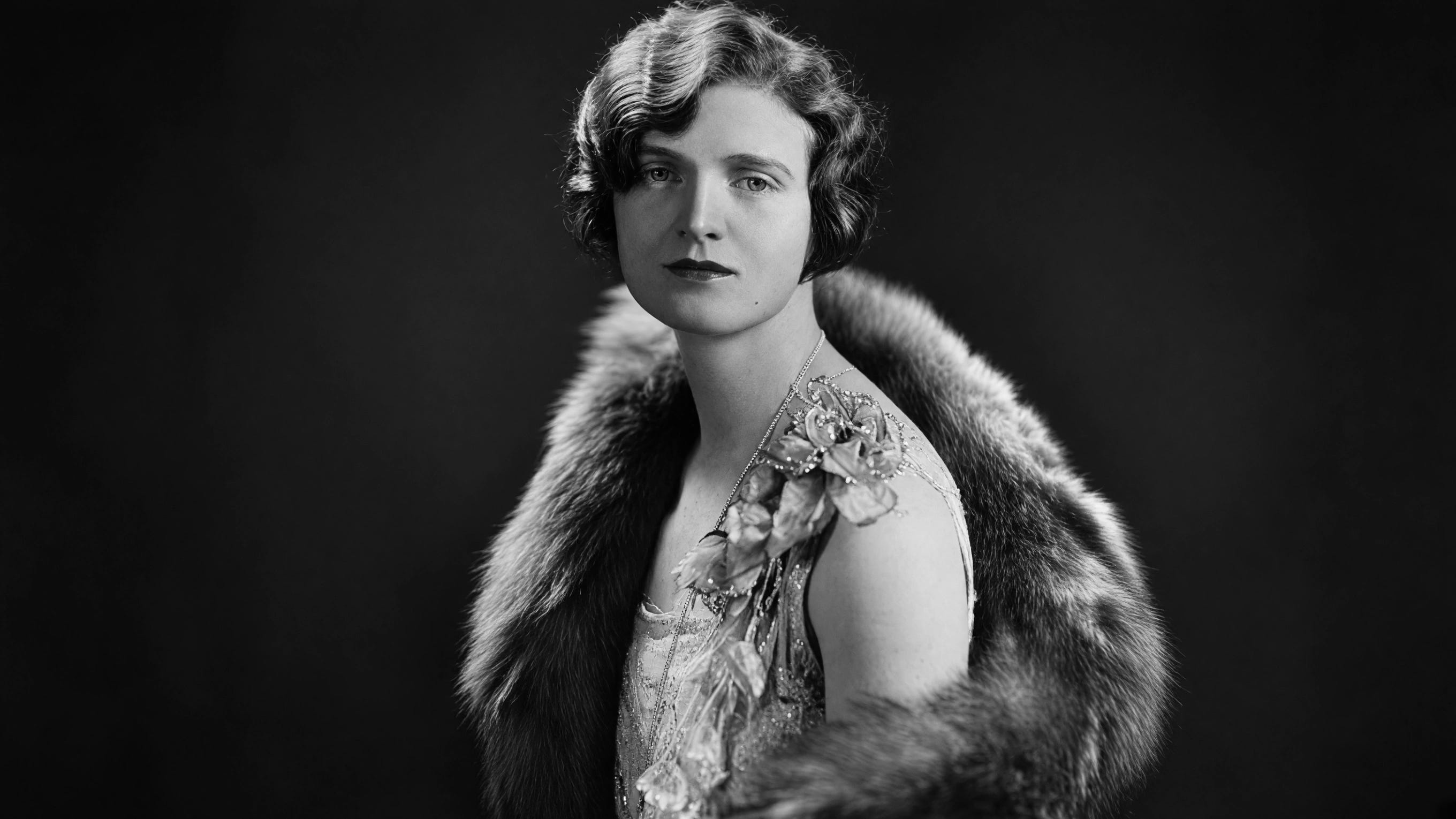
According to her memoir, Nan Britton was twenty years old and Warren G. Harding was fifty-one when their sexual relationship began in the summer of 1917.
She grew up in Marion, where Harding’s sister Abigail taught her English.
In May 1917, while earning $6 a week at a Cleveland china store, she wrote to the senator asking for help finding secretarial work with “prospects of advancement.”
Harding had his hands full that spring. He was a first-term senator facing a vote on war with Germany, and Carrie Phillips, furious about that war, held enough letters to end his career.
Yet somehow, he still found room in his schedule for Britton.
Her book, The President’s Daughter, separates two hotel encounters that later accounts tend to blur together.
In May 1917, they kissed at the Manhattan Hotel and went no further. Their first night together, she wrote, came on July 30, in a different hotel on Broadway, and what happened next belongs in a stage farce.
In Britton’s telling, two men burst into the room and threatened legal proceedings. Their manner changed when one of them spotted “W. G. Harding” inside his hat. Harding handed one of the men $20 on the way out and admitted to Britton that he expected it to cost him $1,000.
He also told the intruders she was 22, though she was really 20.
Strange as the scene is, it captures the balance of power that ran through everything that followed: his famous name could make trouble disappear, and hers protected no one.
Two years after that night, Britton was carrying his child.
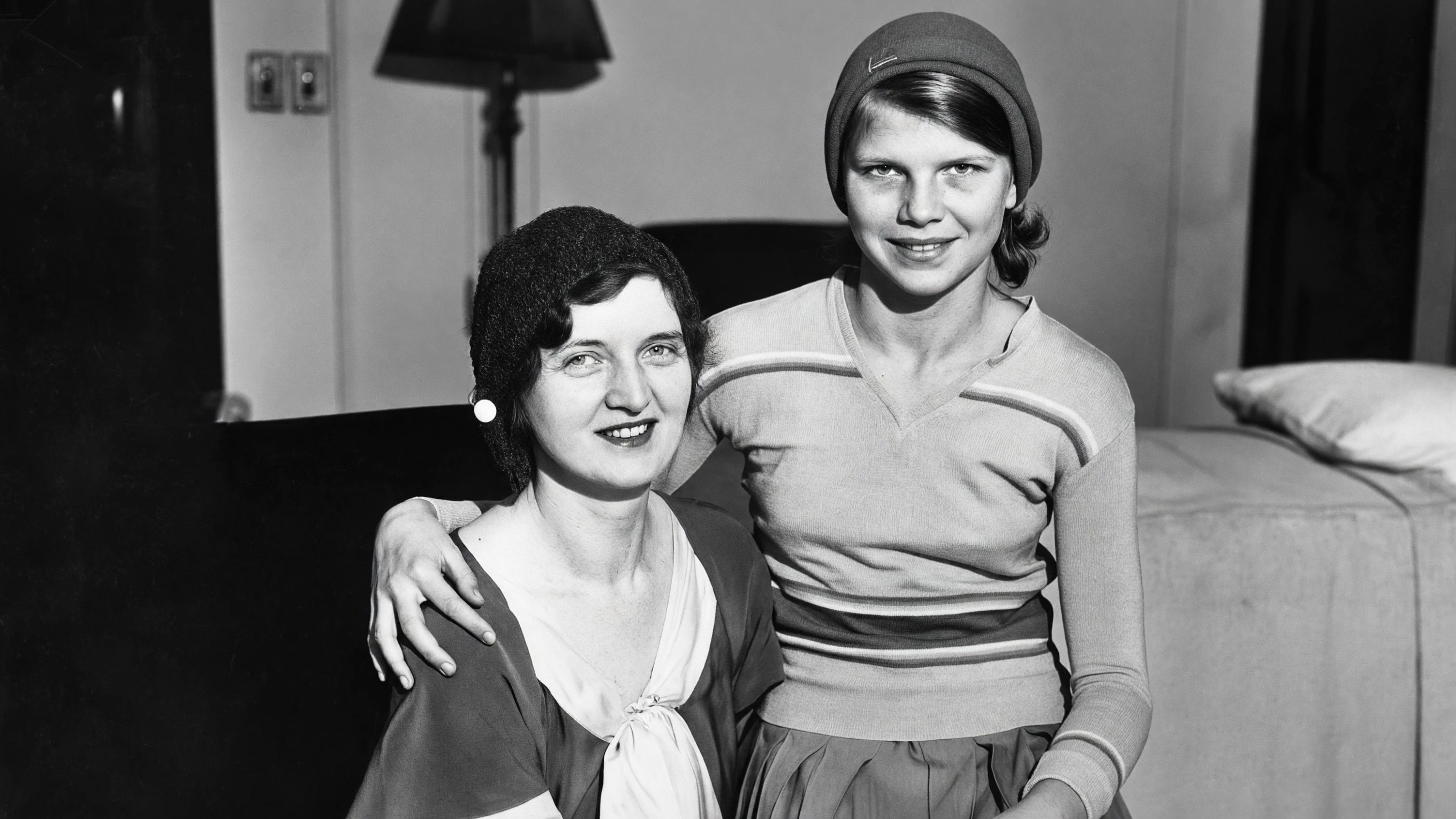
Harding’s daughter was born to a husband who never existed.
They rehearsed a cover story together. Britton would pose as the wife of a “Lieutenant Christian,” an American officer serving overseas, and Harding supplied a fake Paris address, “17 Rue Can Martin.”
She left addressed envelopes on her dresser for her landlady to find, so that a woman expecting mail from a husband abroad would never arouse suspicion.
She gave birth on October 22, 1919, in Asbury Park, New Jersey, a seaside town far from Marion and its gossip. When the doctor asked about the father, she gave him the invented name, and the birth certificate read Elizabeth Ann Christian.
The money arrived the same quiet way, as worn banknotes tucked into letters, usually $100 or $150 and sometimes $300 or $400, chosen so nothing about the bills or envelopes would draw attention.
Her notebook logged the cost of motherhood, down to a $52 baby carriage and $60 for three weeks’ board.
While pregnant, she read in the newspapers that Harding was bathing at a resort with the Frelinghuysens, though he sent her no word.
“After all,” she wrote later, “I had not got into my condition by myself.”
The memoir preserves her fury alongside her devotion, a combination the establishment found easier to dismiss than to answer.
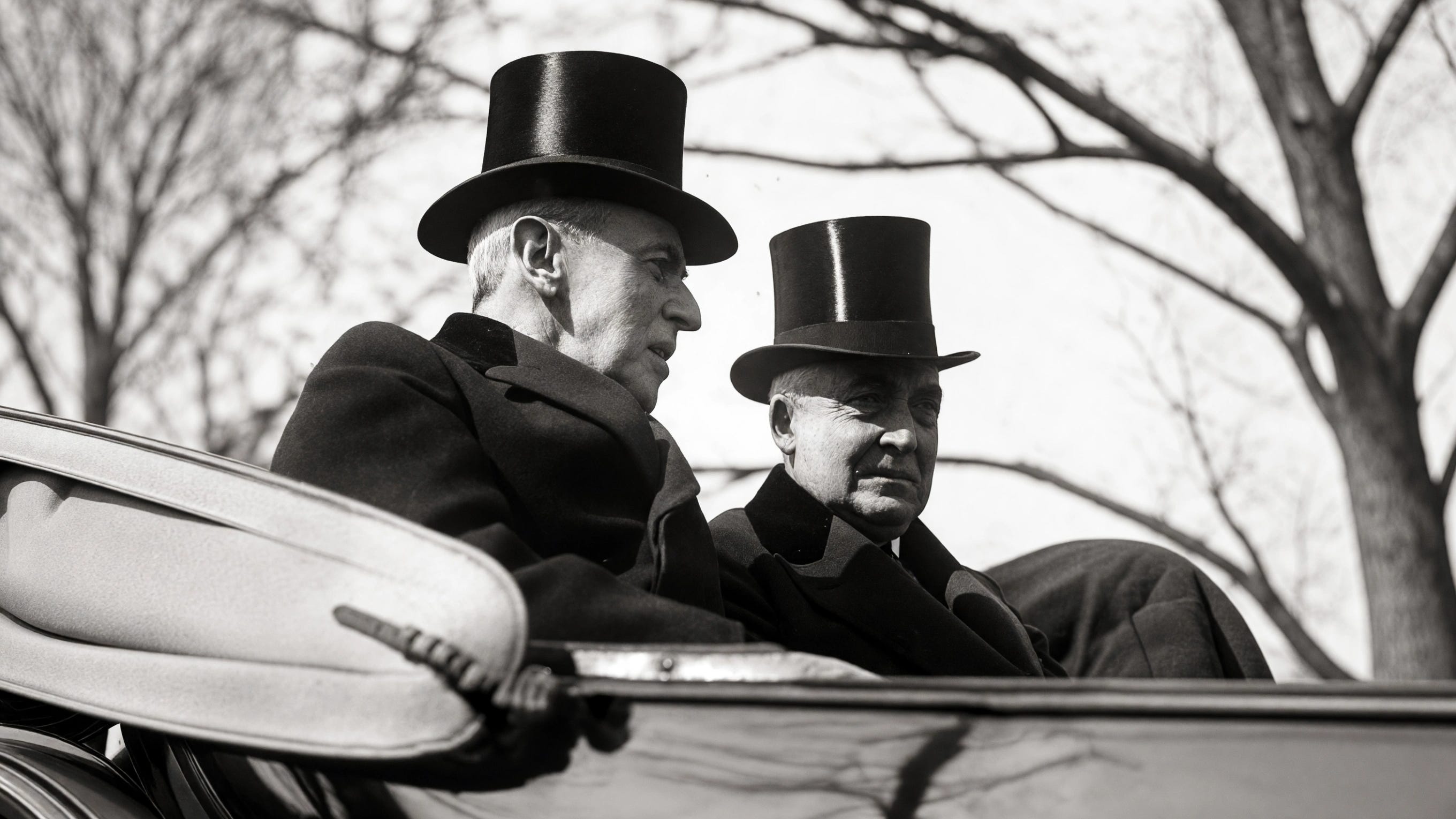
Then came the hardest page of her story.
On February 2, 1921, an adoption petition handed Elizabeth to Scott A. and Blanche E. Willits, a document Britton later reprinted in her memoir.
The Willitses were told the girl was the daughter of a naval friend whose wife died, one more invented parent in a life already built on them.
The adoption became final on March 15, eleven days after Harding took the oath of office.
As the country welcomed its new president, his daughter, not yet a year and a half old, quietly became someone else’s child.
Britton said Harding never once saw her in the nearly four years between her birth and his death.
He never met his daughter, but according to Britton, the affair followed him all the way into the White House.
Five Feet Square
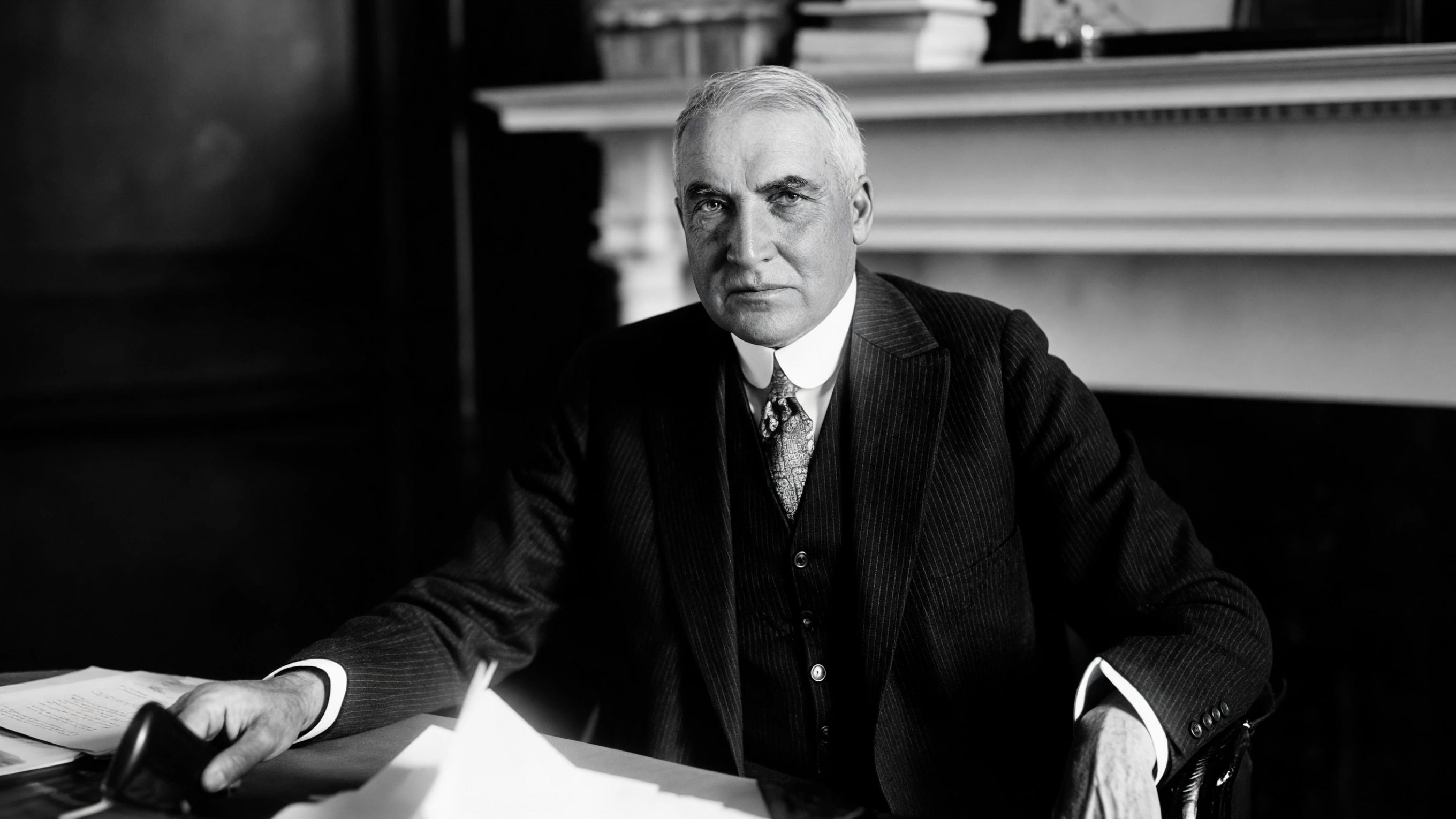
The daughter he wouldn’t claim was 16 months old when Harding moved into the White House, and Britton said the affair moved in with him.
Nan Britton said she and the president made love in a White House closet.
She described a small coat closet beside the president’s office, “not more than five feet square,” where, in her words, “the President of the United States and his adoring sweetheart made love.”
Now, no one else has ever confirmed the story, and what exactly happened inside that closet will likely never be known for sure.
Britton published her account four years after Harding’s death, when the one man who could challenge her version was safely beyond reach. Even the Harding presidential site now describes her account as a “romanticized version” of the affair.
Yet, as we’ll see in a minute, Britton was irrefutably telling the truth about something far more consequential.
Florence, meanwhile, was a working partner in the presidency.
She advised her husband on speeches, appointments and policy, and she championed veterans and women’s equality. How much she knew about Britton is uncertain, but Britton said Harding feared his wife would “raise hell” if she ever found out.
His domestic routine looked, from the outside, like the normalcy he’d campaigned on.
He played poker twice a week, golfed at Chevy Chase Club, fished and sailed when he could. The presidency seemed to sit lightly on a man whose real burdens were carried out of sight.
The Hardings entertained upstairs with a circle of friends and a supply of liquor that arrived labeled as medical supplies, a private arrangement that sat comfortably beside a public presidency defined by geniality and calm.
The normalcy he’d promised the country was, in the rooms he controlled, something he arranged rather than lived.
In early 1923, the weight of concealment was showing. In what Britton described as their final meeting, in January of that year, Harding appeared exhausted and frightened.
“Nan, darling, you must help me,” she recalled him saying.
“Our secret must not come out. Why, I would rather die than disappoint my party!”
Those are reconstructed words, not preserved presidential speech, but the will he updated about two months before his death spoke plainly enough: it neither acknowledged Elizabeth nor provided for her support.
He left an estate of $850,000 (over $16 million today), nearly all of it to Florence.
Six weeks before his death, on June 20, 1923, Warren and Florence had departed Washington on an ambitious tour of the West and Alaska. Harding was already suffering from an enlarged heart and high blood pressure, and the demanding itinerary offered little opportunity for rest.
When they reached San Francisco, his health had taken a serious turn for the worse.
The DNA Reveal
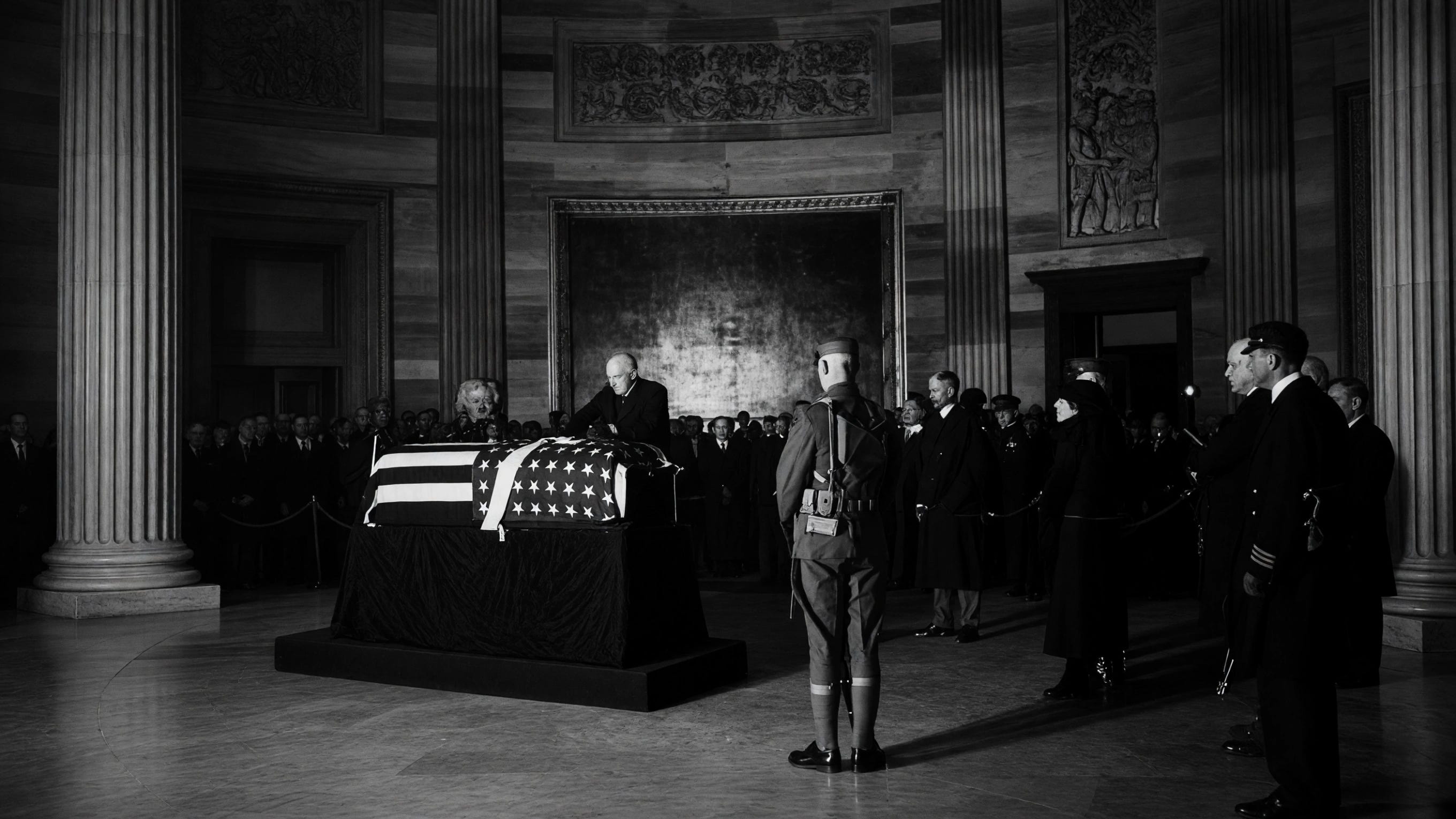
He wrote to Carrie from the Palace Hotel eight years earlier, begging her to destroy the letters she’d kept.
Now he was back, carried in after falling ill on the return journey, and the illness that doctors first called food poisoning is now generally attributed to heart disease.
On the evening of August 2, 1923, Florence sat beside Warren reading aloud from a flattering Saturday Evening Post article titled “A Calm Review of a Calm Man.”
He liked what he heard. “That’s good,” he said. “Read some more.”
Then he collapsed and died.
The original announcement blamed a stroke, and later assessments favor a heart attack.
He’d been president for two years and five months, and the secret he’d carried into the office left with him.
Florence refused an autopsy, a decision that fed a poisoning legend for decades. The presidential site traces that allegation to a 1930 book by Gaston Means, a convicted con man whose own collaborator later repudiated the story.
Florence spent the winter of 1923 burning personal papers, though roughly 350,000 pages survived her.
Her reasons died with her, but a widow guarding her husband’s reputation had every motive to destroy anything that might embarrass him.
She died of kidney failure on November 21, 1924, and left the Marion house and the presidential papers to the Harding Memorial Association. The couple are buried together at the Harding Memorial in Marion.
Their marriage began with Florence stopping by a struggling newspaper for a single afternoon, and it ended with her feeding his private papers to the fire.
In 1927, Britton published The President’s Daughter herself, through an organization she founded, after no publisher would take it.
Police, prompted by New York’s Society for the Suppression of Vice, raided the printing plant and seized the book’s printing plates. Congressman John N. Tillman called it “a blast from Hell” and introduced a bill to ban its sale.
The attempts at censorship only added to the publicity. Around 90,000 copies circulated, making The President’s Daughter one of America’s first bestselling political kiss-and-tell memoirs.
Britton’s book had exposed one of Harding’s secrets. But the written evidence of his affair with Carrie Phillips would remain largely hidden from the public for decades.
When the letters resurfaced in the 1950s, Harding’s nephew, Dr. George Harding, fought to keep them private and eventually purchased them from the Phillips family.
In 1972, he donated the collection to the Library of Congress on one condition: the letters would remain sealed until July 29, 2014, protecting his uncle’s reputation for another four decades while ensuring the evidence would ultimately become public.
A year later, in August 2015, AncestryDNA announced the results of a genetic comparison between Elizabeth’s son, James Blaesing, and Harding’s grandnephew, Peter Harding.
The results showed 99.9% certainty that the two men were second cousins, confirming what Britton had insisted upon since the 1920s: Elizabeth was the president’s daughter.
But the vindication came too late.
Nan Britton had died in 1991. Her daughter, Elizabeth Ann Blaesing, followed in 2005.
Neither lived to see the scientific evidence that finally settled a controversy that had followed their family for nearly ninety years.
Nan was telling the truth all along. Warren G. Harding was Elizabeth’s father.
In fifth grade when we were writing President reports, I drew the short straw: Warren G. Harding. This post is wayyyyy more interesting than what I could cull from Encyclopedia Brittanica in 1975 ;)
These retrospective stories are required reading for me.
Personal history, especially when it involves extremely private information, is most interesting and enjoyable to me.
I'm a very inquisitive man not easily surprised by facts Theseening and reading, along with these ‘exposes’ please me greatly.
Keep ‘em coming.